




Anxiety disorders are among the most common mental health conditions worldwide, affecting approximately 284 million people globally. While anxiety is a normal human emotion that serves an evolutionary purpose, clinical anxiety disorders involve excessive, persistent worry and fear that interfere with daily functioning.
The Neuroscience of Anxiety
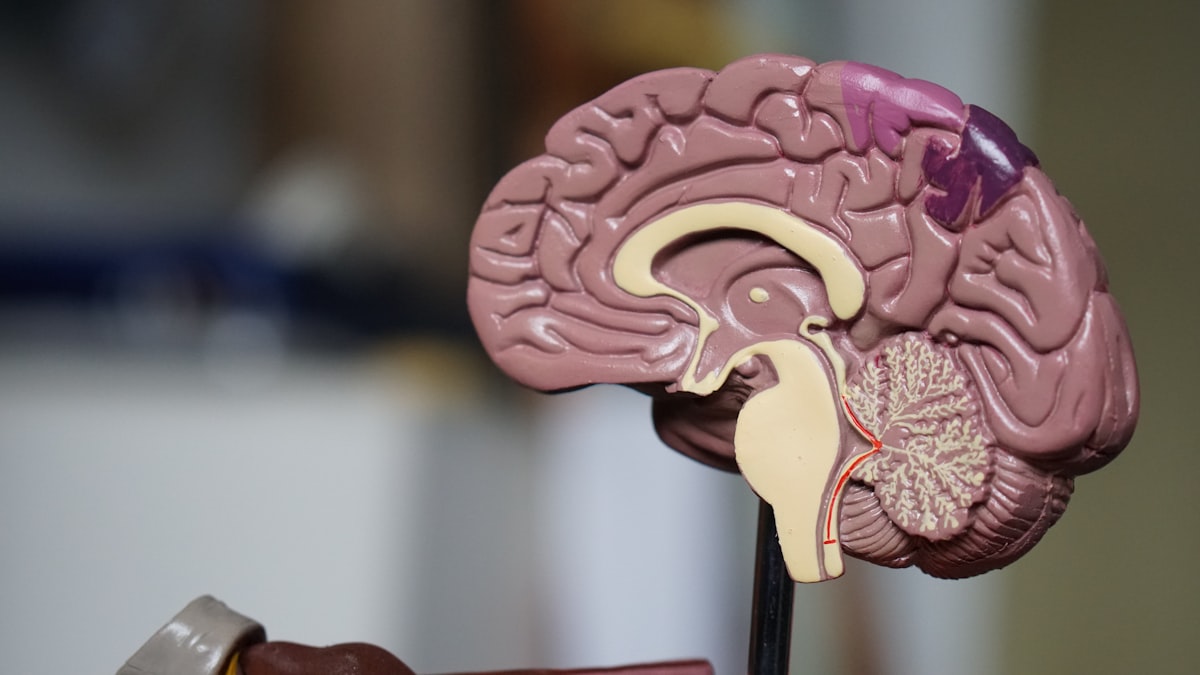
Modern neuroscience has revealed that anxiety involves complex interactions between multiple brain regions. The amygdala, often called the brain's "fear center," plays a crucial role in detecting threats. When activated, it triggers the release of stress hormones like cortisol and adrenaline, preparing the body for fight-or-flight responses.
The prefrontal cortex, responsible for executive functions and decision-making, helps regulate emotional responses from the amygdala. In anxiety disorders, this regulation system often becomes impaired, leading to exaggerated fear responses to non-threatening situations.
"The goal of modern anxiety treatment isn't to eliminate anxiety completely, but to help patients develop a healthier relationship with their anxiety and build resilience."
Evidence-Based Treatment Approaches
Today's treatment landscape for anxiety disorders is more diverse and effective than ever. The most successful approaches typically combine multiple modalities:
- Cognitive Behavioral Therapy (CBT): The gold standard in psychotherapy for anxiety, helping patients identify and challenge irrational thoughts and beliefs.
- Exposure Therapy: Gradual, controlled exposure to anxiety-provoking situations to build tolerance and reduce fear responses.
- Mindfulness-Based Therapies: Techniques like mindfulness-based stress reduction (MBSR) that help patients stay present and reduce rumination.
- Medication Management: Selective serotonin reuptake inhibitors (SSRIs), serotonin-norepinephrine reuptake inhibitors (SNRIs), and other medications that can help regulate brain chemistry.
Innovative Treatment Modalities
Beyond traditional approaches, several innovative treatments are showing promising results:
- Transcranial Magnetic Stimulation (TMS): Non-invasive brain stimulation that can help regulate activity in anxiety-related brain circuits.
- Virtual Reality Therapy: Using VR to create controlled exposure scenarios in a safe, therapeutic environment.
- Biofeedback: Teaching patients to control physiological responses like heart rate and muscle tension through real-time monitoring.
- Digital Therapeutics: FDA-approved apps and programs that deliver evidence-based interventions through digital platforms.
Personalized Treatment Planning
At Galaxy Medical Center, we believe in personalized treatment approaches. Our comprehensive assessment process includes:
Detailed clinical interviews, psychological testing, genetic testing for medication response, neuropsychological assessments when indicated, and collaboration with other healthcare providers to address co-occurring conditions.
Treatment plans are tailored to each individual's unique needs, preferences, and goals, with regular monitoring and adjustments based on progress.